
qquclemmie5174
About qquclemmie5174
What You Didn’t Understand About Agent Is Powerful – But Extremely simple
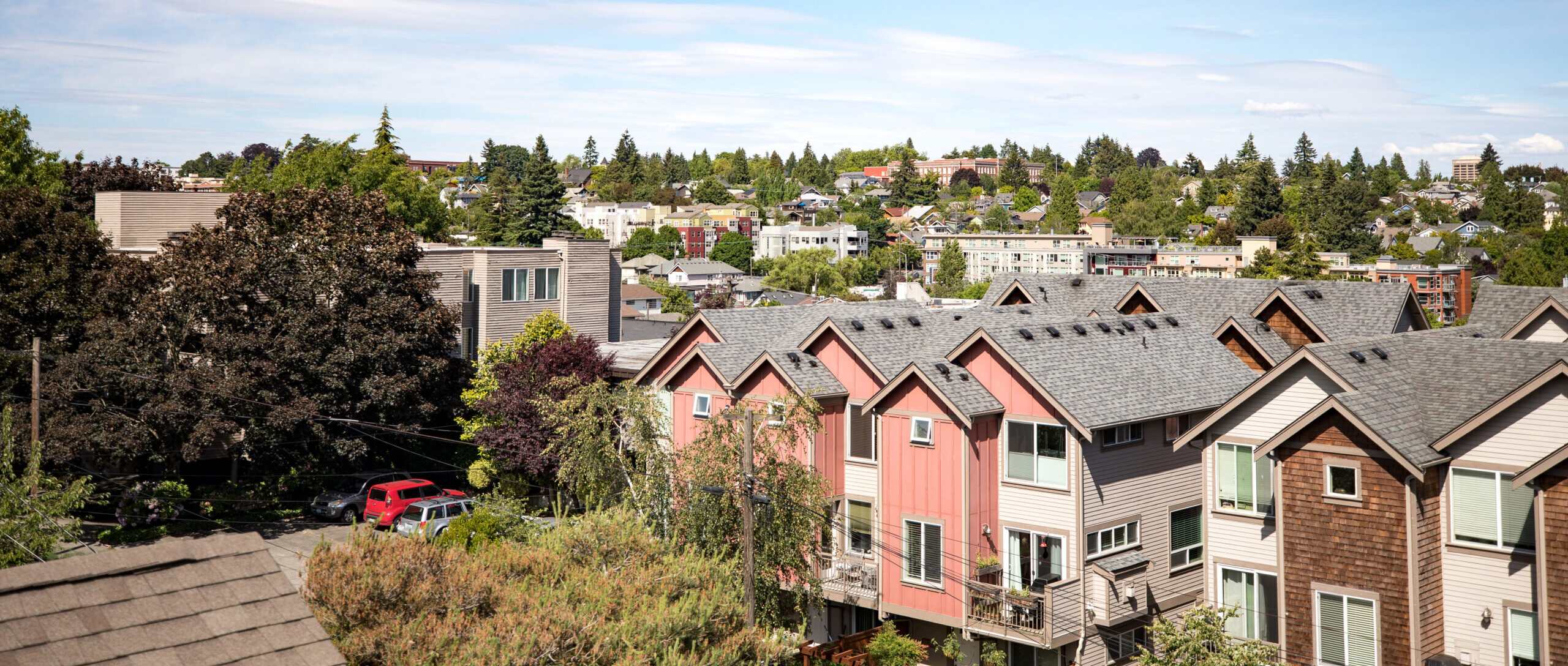 The real estate market does not move in one direction nationwide. It never has. What is happening in Austin is not what is happening in Cleveland. What is true for a three-bedroom in the suburbs of Dallas has almost nothing to do with a two-bedroom in San Francisco. Before you do anything else, narrow your focus to the specific market you are shopping in and stop reading national headlines as if they apply to you personally.
 In markets where developers managed to bring inventory to market faster than demand absorbed it, prices have pulled back. Phoenix, Austin, and parts of Florida saw corrections of ten to fifteen percent from peak levels in some submarkets. But those are the exceptions. Most markets are not working from excess; they are working from scarcity.
Affordability, by the standard measure of what share of median household income goes toward the monthly payment on a median-priced home, is near its worst level since the early 1980s. That is a real problem, and it is not going away quickly. A market can stay unaffordable for longer than most buyers expect to wait. What it means, practically, is that the pool of qualified buyers is smaller than it was three years ago.
 Shop multiple loan officers to compare rates and fees. A 0.25 percent gap between two lenders’ quotes adds up to real money that most buyers leave on the table by taking the first offer they receive. Lender fees vary too. Request itemized fee schedules so you can compare apples to apples.
 The inspection is where the marketing copy meets reality. Show up for it even if it costs you half a day of work. A good home inspector will walk you through what they are finding as they go, and the conversation is often more valuable than the written report that follows.
 Price matters, but terms matter too. The buyer who calls the listing agent before submitting, asks what matters to the seller, and builds the offer around that information wins more often than the buyer who simply goes the highest.
 For buyers with a stable income, a down payment of at least ten percent, and a concrete plan to stay in the home for at least five years, this market is workable, even if it is not cheap or easy. The homes that are right for a specific buyer’s actual needs are still moving. They are going to the people who did the homework before they started looking at listings.
Real estate rewards preparation more than it rewards timing. Nobody consistently calls the top or the bottom of a market, but buyers who show up informed and financially ready close deals in every cycle. Check up-to-date property listings and see whether what is available matches what you have been planning for.
No listing found.